
At a Glance: The Economics of Quality
-
The Core Difference: Mass-produced food prioritizes shelf life and profit margins. Small-batch food prioritizes flavor and nutrient density.
-
The “Hidden” Cost: Cheap food often uses fillers (water, corn syrup, stabilizers) to mimic taste. Artisan food uses whole ingredients.
-
The Local Roots Promise: We only source goods where the maker handles the product, not a machine.
The “Sticker Shock” Conversation
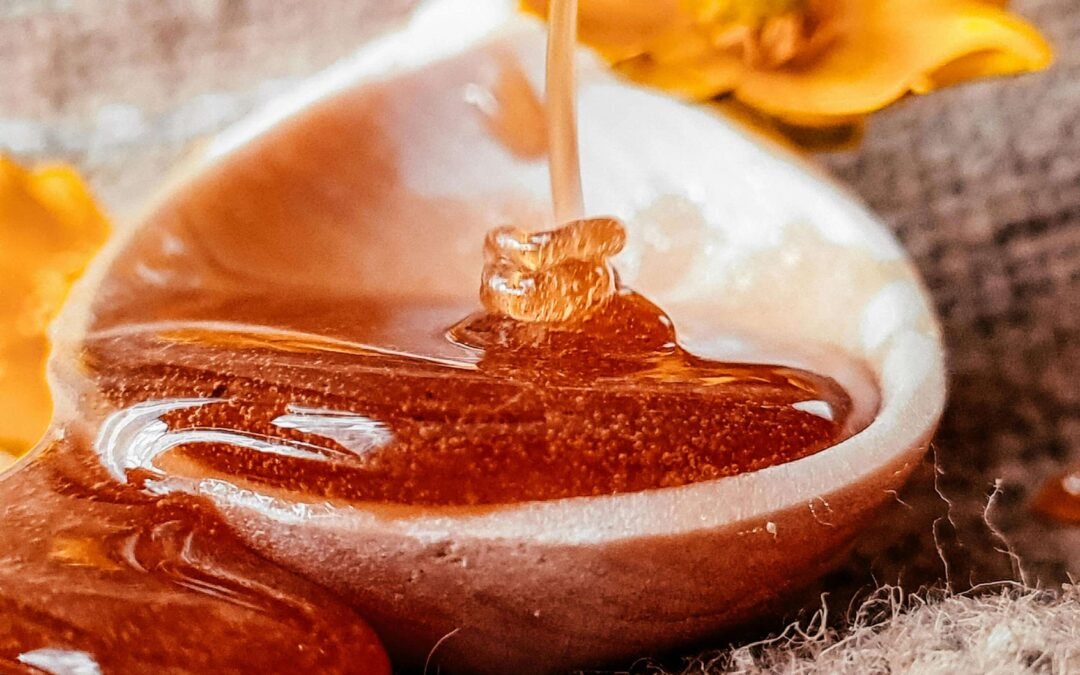
We get it. You look at a jar of honey in the supermarket, and it costs R80. Then you see a jar of “Artisan, Raw, Small-Batch Honey” at a market (or in our box), and it might be R150.
On the surface, they look the same. They are both amber liquids in a glass jar. They both say “Honey” on the label.
But when Daniel and I started Local Roots, we made a conscious decision: We would never compete on price. We would only compete on truth.
Because the truth is, the R80 honey and the R150 honey are not the same product.
While honey technically never spoils, commercial brands heat-treat and ultra-filter their honey to stop it from crystallizing on the shelf.
Small-batch honey is ‘raw.’ It hasn’t been boiled to death.
1. You Are Paying for Ingredients, Not Fillers
The biggest secret of the industrial food industry is Volumizing.
Big factories need to stretch ingredients to maximize profit.
-
Supermarket Biltong: Often injected with brine (water and salt) to make it heavier so they can charge you more by weight. You are literally buying expensive water.
-
Industrial Rusks: Often use margarine and oil because real butter is expensive. They use high-fructose corn syrup instead of sugar.
The Local Roots Standard: When Daniel scouts a baker in Pretoria, he checks the butter wrappers. We look for Whole Foods.
-
If it says “Rusk,” it must be made with real butter and buttermilk.
-
If it says “Jam,” the first ingredient must be fruit, not sugar syrup.
You pay more because you are getting 100% product, not 60% product and 40% filler.
2. The Currency of Time
Mass production is obsessed with speed.
-
Commercial Bread/Biscuits: Use chemical accelerators (emulsifiers) to make dough rise faster and bake quicker.
-
Commercial Cured Meats: Use heat tunnels to dry meat in hours instead of days.
Artisan Production is obsessed with patience.
-
The Artisan Way: A small-batch maker waits for the dough to rise naturally (often 24 hours). They let the biltong air-dry in the cool wind for days to develop that deep, nutty flavor.
Time costs money. You can’t fake the flavor of a slow-cured droëwors. When you buy a Local Roots box, you are buying the weeks of patience it took to make those items.
Comparison: The Supermarket vs. The Local Roots Box
| Feature | Supermarket Snack | Local Roots Artisan Snack |
| Primary Goal | Shelf Life (Must last 12+ months) | Flavor (Must taste amazing now) |
| Preservatives | Heavily used (Nitrates, Sulphites) | Minimal or Natural (Salt, Sugar, Vinegar) |
| Batch Size | 100,000+ units per run | 50 – 200 units per run |
| The Maker | Automated Machinery | A person (often the owner) |
| The Taste | Consistent, flat, overly sweet | Complex, rich, varies by season |
3. The “Human Hand” Tax
There is a reason we call it “Handmade.”
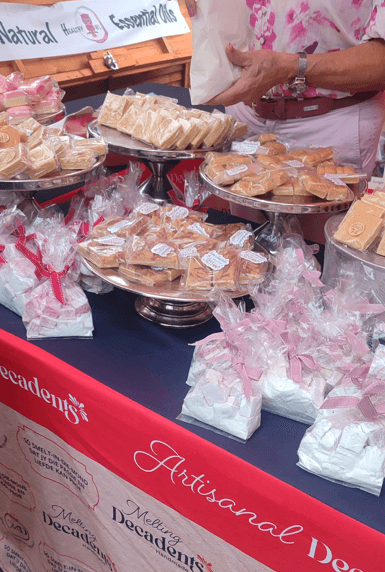
When we visit markets—whether I’m at Shongweni or Daniel is at the Boermaak—we see the labor involved. We see the Makers peeling figs by hand. We see them hand-labeling every jar because they can’t afford a R500,000 labeling machine.
This lack of automation is actually a Quality Control mechanism. A machine doesn’t care if a specific strawberry is bruised; it just crushes it into the jam. A human maker sees it, removes it, and ensures only the best fruit goes into the pot.
Your subscription fee supports that human effort. It keeps the lights on in a home kitchen in KZN, rather than adding 0.01% to a conglomerate’s share price.
4. The Flavor Reality Check
Ultimately, all the economics in the world don’t matter if the food doesn’t taste better.
But it does.
-
Real Honey tastes like the specific flowers the bees visited (Aloe, Macadamia, or Fynbos). It changes every season.
-
Industrial Honey is often blended from thousands of hives (sometimes from different countries) and heated until it all tastes like generic “sweet syrup.”
At Local Roots, we chase the variance. We want you to taste the aromatic wild herbs in the Karoo lamb or the summer rain in the Midlands berries.
Taste the Difference in April
We aren’t asking you to boycott the supermarket. We all need toilet paper and milk.
But for the moments that matter—your morning coffee, your Friday night snack board, or a gift for a friend—don’t settle for “Industrial Beige.”
Our April Debut Box is curated to prove this point. Every one of the 7 items inside has beaten its supermarket rival in a blind taste test conducted by Daniel and myself.
[Secure Your April Box Here – R550]